
Berenike – A City of Humans and Animals. A New Stage of Research at the Ancient Cemetery
Excavations have just begun in Berenike, at the site of a unique ancient animal cemetery. The project is led by Dr hab. Marta Osypińska from the Institute of Archaeology at the University of Wrocław. The research is funded through a scientific consortium, with the Institute of Archaeology at the University of Wrocław as the leading institution and the Centre for Mediterranean Archaeology at the University of Warsaw as a partner.
Although located in southern Egypt, Berenike was a Roman intercontinental port founded by Emperor Tiberius in the 1st–2nd century CE on the shores of the Red Sea. It served as a crucial hub for the import of luxury goods into the Empire from East Africa, the Arabian Peninsula, India, and even the Far East. Nearby lies Sikeit, home to the only known ancient emerald mine.
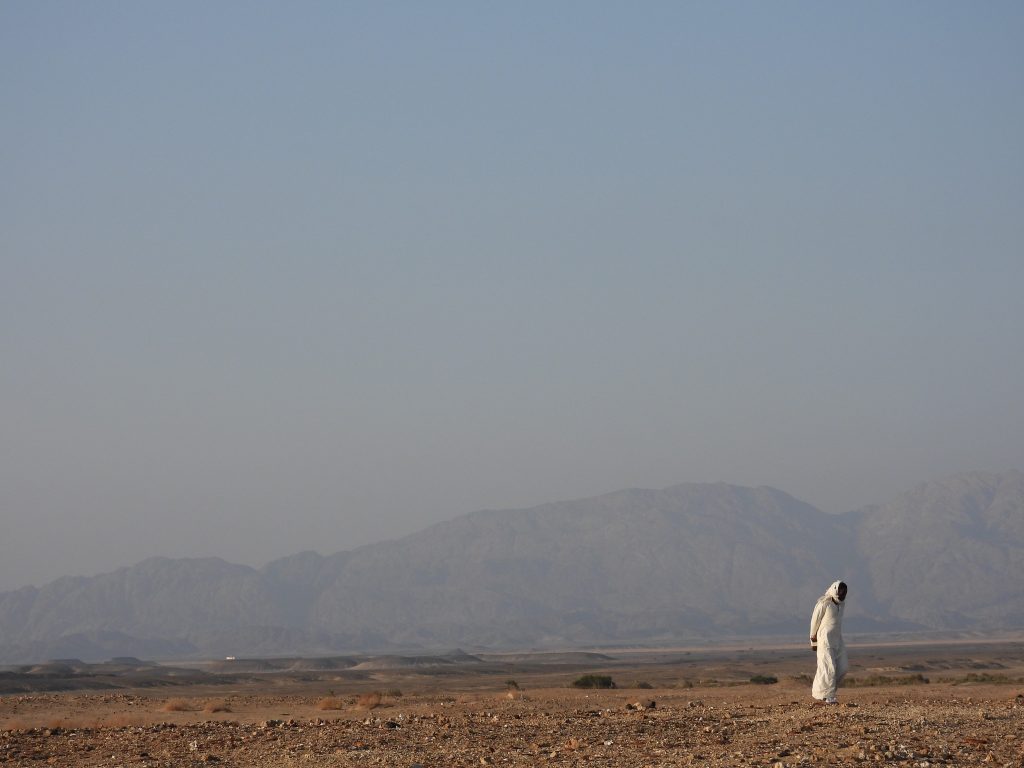
For over 20 years, archaeological excavations have been conducted in Berenike—initially as a Dutch-American project and now as a Polish-American collaboration. In 2011, Marta Osypińska discovered a remarkable site in the western suburbs of Berenike: an ancient dune where, from the first half of the 1st century to the late 2nd century CE, the inhabitants of Berenike buried their companion animals—cats, dogs, and even monkeys—around a small temple.
Initially, researchers assumed that this was a typical Egyptian site associated with the cult of a local deity. Depositories containing mummified animals—such as cats, crocodiles, rams, and dogs—are widespread in the Nile Valley. However, the cemetery in Berenike exhibits a distinctly different character. The nearly 600 burials discovered so far indicate strong emotional bonds between humans and animals, as well as evidence of care for them, even in cases of illness or old age.
While most of the cats originated from the Nile Valley, dogs were transported to Berenike across mountains and desert, and in some cases even from another continent. This is evidenced by their marked diversity. Among the recovered remains, researchers have identified large hunting dogs, medium-sized spitz-type dogs, and small companion dogs.
Marta Osypińska’s team was greatly surprised by the identification of monkey species from the cemetery. Initially, researchers assumed they were grivets (formerly classified as vervet monkeys), a species native to this part of Africa. All of the monkeys buried at Berenike had died at a young age, which made identification particularly challenging. However, using modern techniques, including 3D imaging, researchers determined that these monkeys had been imported to Berenike from India nearly 2,000 years ago. The identified species were rhesus macaques and bonnet macaques. One can only imagine the immense logistical challenge that such an undertaking would have entailed.
The current research project is a continuation of investigations at this unique pet cemetery. However, its objectives go beyond simply unearthing additional burials and gathering new data for archaeozoology, archaeology, cynology, veterinary medicine, felinology, or Egyptology.
The researchers aim to initiate a broader discussion on the significance of archaeozoological data in studies of identity and its importance for ancient communities. They also seek to establish a dialogue with sociologists to explore how emotional needs have been met through relationships with companion animals, particularly in challenging life circumstances. This phenomenon remains relevant today, as seen during the COVID-19 pandemic. Life in this remote outpost at the “edge of the ancient world” was undoubtedly a similarly difficult experience for its past inhabitants.
Exclusive artefacts—jewellery and fine ceramics imported directly from Rome—attest to the high status of both the human caretakers and the animals, which were an integral part of Berenike’s community. The Wrocław team hypothesises that cosmopolitan Berenike became a true cultural melting pot two thousand years ago, attracting people from various parts of the world who brought with them diverse traditions of human-animal relationships. Animals became part of individual and collective identity, and the burials at the cemetery serve as a tangible expression of this phenomenon.
The first days of excavations have passed. As always, Berenike has proven archaeozoologically generous from the very first stroke of the trowel in the new trench.
Despite battling swarms of biting midges—resulting in swollen eyelids, ears, and foreheads—and enduring temperatures exceeding 30 degrees Celsius (with the first cases of heatstroke among the “missionaries” already requiring hospitalisation), the researchers’ enthusiasm and determination remain unwavering.